
Vitamin B12 keeps my energy levels up, my nerves in check, and my blood cells healthy. When I started reading about all the ways a B12 deficiency can affect women, I realized just how many common symptoms connect back to the importance of this powerful vitamin. If you’ve been feeling tired, foggy, or not quite yourself lately, it may be time to consider whether you’re getting enough B12 in your diet.
Why Vitamin B12 Matters for Women
Vitamin B12 is crucial for making red blood cells, keeping your nervous system steady, and supporting your mood and brain health. Women, in particular, can be more vulnerable to running low on B12 because of hormonal changes, pregnancy, dietary choices (like vegan or vegetarian habits), or digestive issues that get in the way of nutrient absorption. If levels get too low, all sorts of symptoms can sneak in, and it’s easy to miss B12 as the cause.
The National Institutes of Health notes that B12 deficiency is especially common in older adults but can show up at any age, particularly for women who are pregnant, breastfeeding, or following plant-based eating patterns without taking supplements. Since B12 is found mainly in animal foods, anyone avoiding meat, eggs, or dairy has to be smart about finding other sources.
Common Vitamin B12 Deficiency Symptoms in Women
B12 deficiency can creep up quietly. The signs are wide-ranging, so you might not connect them right away. Here are some key symptoms to keep an eye on:
- Tiredness or Fatigue: Feeling run down, even when you’ve slept well, is super common in women with low B12.
- Weakness: Muscles feeling weaker or getting tired more quickly, sometimes even with your regular activities.
- Pale or Jaundiced Skin: Because B12 is tied to red blood cell production, not enough can make your complexion paler or slightly yellow.
- Shortness of Breath: You might catch yourself getting winded climbing stairs or doing light workouts.
- Tingling and Numbness: Pins and needles in your hands, feet, or even your tongue often signal nerve trouble from low B12.
- Balance Problems: Feeling unsteady or a bit wobbly, especially if nerves are getting affected.
- Mood Changes: Irritability, anxiety, or depression can all pop up if your B12 is low.
- Brain Fog and Memory Issues: Struggling to focus or remember things can easily be blamed on stress, but low B12 could be a hidden reason.
- Mouth Ulcers and Sore Tongue: A swollen or smooth tongue, or sore spots in the mouth, sometimes connect to B12 levels.
- Vision Problems: Blurry or odd vision can happen in more serious deficiency cases, especially if the eye nerves are affected.
If you notice several of these symptoms, a quick blood test can check your B12. Getting on top of things early usually puts you back on track fast.
Risk Factors for B12 Deficiency in Women
Certain risk factors can make you more likely to run into B12 trouble. Here are some of the most common:
- Vegetarian or Vegan Eating: Avoiding animal products raises your risk unless you add B12-fortified foods or take supplements.
- Digestive Disorders: Issues like Crohn’s, celiac disease, IBS, or previous gastric bypass can mess with B12 absorption.
- Pregnancy and Breastfeeding: Women need more B12 at these times; falling short is easy without good planning or supplements.
- Older Age: As you get older, you make less stomach acid, making it harder to absorb B12 from food.
- Certain Medications: Some meds like acid reducers or metformin (for diabetes) can slowly lower your B12 levels over time.
Checking in with your doctor about your eating habits, medical history, and any medications helps you spot your risk and take action early.
How B12 Deficiency Can Affect Women’s Health Long-Term
It’s easy to sweep aside tiredness or brain fog, blaming it on a busy schedule. But in women, letting B12 drop for long periods can lead to significant health problems. Here are some major long-term effects of deficiency:
- Anemia: Making fewer healthy blood cells leads to persistent fatigue and shortness of breath.
- Nerve Damage: Tingling, numbness, or even trouble walking can stick around if low B12 isn’t resolved.
- Fertility and Pregnancy Complications: Inadequate B12 before and during pregnancy is linked to higher chances of birth defects, preterm delivery, and miscarriage. Babies need B12 for brain and nervous system development.
- Mental Health: Mood swings, depression, and forgetfulness can all hit harder if your B12 stays low.
- Heart Health: Too little B12 might turn up homocysteine levels, which are tied to heart disease risk.
For me, noticing even mild or random symptoms and checking my numbers early is the best way to dodge bigger health problems down the line.
Getting Diagnosed: Tests and Next Steps
If you suspect B12 could be the culprit, your doctor can order a blood test to check your levels. They’ll often look at folate and iron too, because these nutrients connect and sometimes influence each other.
B12 is measured in picograms per milliliter (pg/mL), and most doctors consider levels under 200 pg/mL to be low. Even so, symptoms may start before you dip under that line. Sometimes, other labs like methylmalonic acid (MMA) or homocysteine get checked for more clues, especially when your B12 number is borderline but you have symptoms.
Once a deficiency is found, fixing things is usually straightforward. The sooner you get your B12 issue sorted, the better you’ll feel and the less chance there is of lasting problems.
How to Fix a Vitamin B12 Deficiency
- Supplements: Over-the-counter B12 tablets or gummies work well for most mild to moderate cases. Daily doses of 500 to 2,000 mcg are typical. If you have absorption issues, a doctor may suggest shots or prescription-strength formulas.
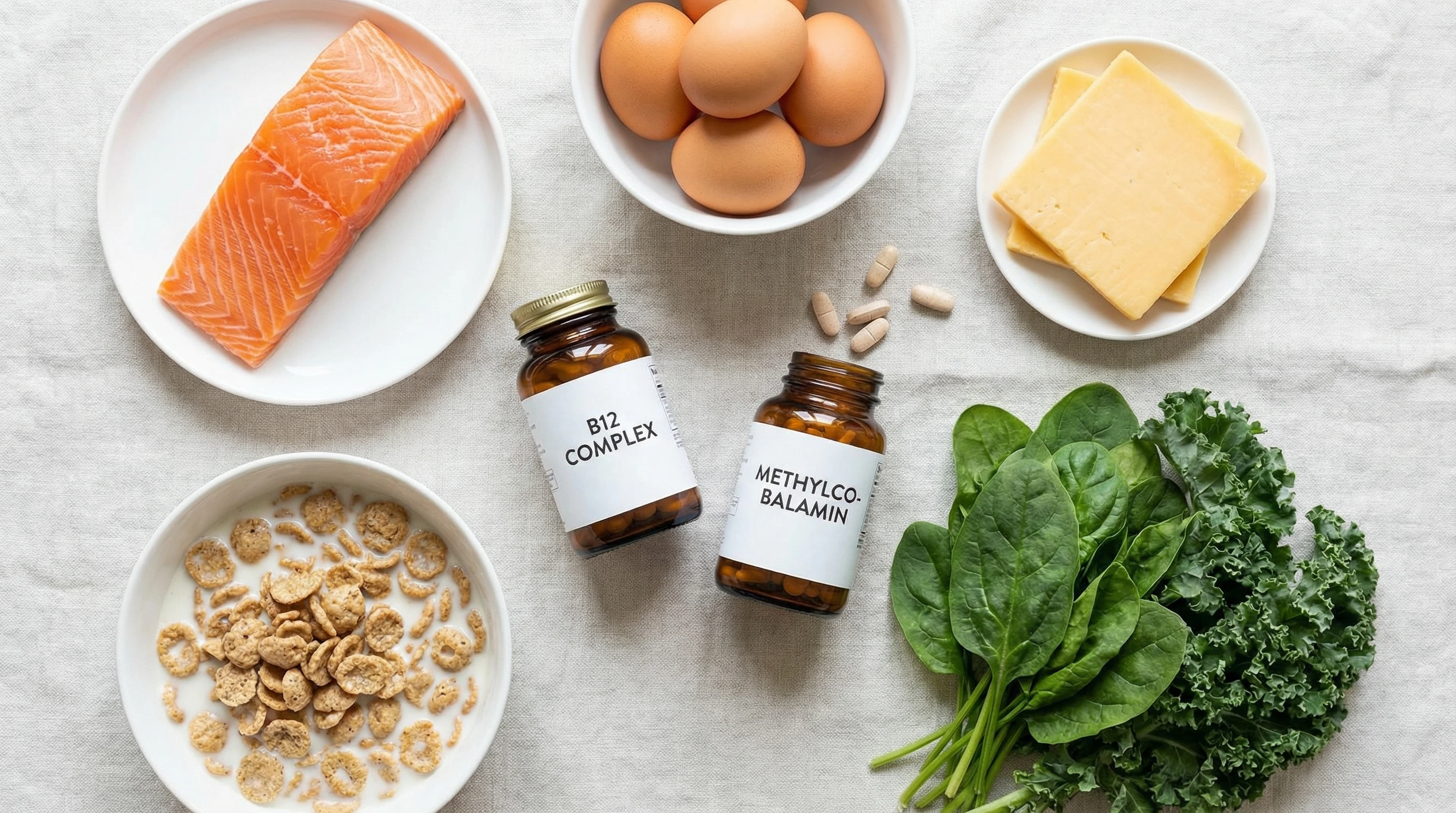
- B12 Rich Foods: If you eat animal products, include more beef, fish, eggs, yogurt, cheese, and cereals that are fortified.
- B12 Fortified Foods: For vegetarians and vegans, look for fortified plant milks, meat alternatives, or nutritional yeast to help close the gap.
Good B12 supplements available on Amazon include:
- Nature Made Vitamin B12 1000mcg; This one is USP Verified for quality.
- Jarrow Forhttps://amzn.to/4jOffd7ulas Methyl B12; It contains methylcobalamin, which many find easy to absorb.
- Garden of Life mykind Organics B12 Spray; Certified organic, this easy-to-use spray makes daily dosing a breeze.

(You should always ask your physician before starting any new supplement, especially if you are pregnant, breastfeeding, or using medications.)
What to Consider Before Taking B12 Supplements
I pay special attention to a few key points when picking a supplement, and encourage others to do the same:
- Supplement Form: Methylcobalamin is usually easy to absorb, but cyanocobalamin is also effective and commonly used.
- Dosage: Bigger numbers aren’t always better. Stick to the advised dose and check with your healthcare provider if you’re uncertain.
- Other Ingredients: Make sure there aren’t additives or fillers that clash with your allergies or dietary restrictions.
- Certifications: Look for products verified by groups like USP or NSF for extra peace of mind.
- Your Health Profile: Women with certain digestive troubles or who are pregnant may need different doses—personal advice helps get it right.
Fine-tuning your supplement and food routine based on what works best for you can lead to noticeable improvements in how you feel every day.
Frequently Asked Questions About B12 Deficiency in Women
Question: How can I tell if I have a B12 deficiency?
If you’re noticing tiredness, tingling, mood swings, or memory hiccups, it’s smart to check in with your healthcare provider and get a blood test. Symptoms overlap with other issues, so testing is the surest way to know.
Question: How long does it take to feel better after starting B12?
Many women notice a difference in energy within a week or two of starting supplements. Nerve symptoms, such as numbness or tingling, might take several months to improve fully.
Question: Can I take too much B12?
B12 is water soluble, so most of what you don’t need leaves your system naturally. It’s considered very safe at normal supplement dosages. However, very high doses should only be used if your doctor gives the green light.
Question: Are there ways to get B12 naturally if I’m vegan?
Meeting your needs on a vegan diet is almost impossible without fortified foods or supplements. Reach for B12-fortified cereals, plant milks, or nutritional yeast, and consider a daily supplement just to be safe.
The Real-Life Impact of Treating B12 Deficiency
I’ve spoken with several women who didn’t realize how run down they felt until they started treating their B12 deficiency. From clearer memory to shaking off persistent exhaustion, the positive changes are easy to notice.
Vitamin B12 isn’t just about a quick energy fix. It supports your nervous system, mood, heart health, and overall wellbeing. Staying on top of your levels, especially if you’re more at risk or spot new symptoms, is one of the best steps you can take for long-term health. Checking in regularly with your doctor and watching your food choices means B12 deficiency can stay off your list of major worries.