
Gut Health: Why It Matters, How It Affects Your Body, and Ways to Improve It Naturally
Gut health is one of the most important foundations of overall wellness. Your gut does far more than digest food—it plays a major role in immunity, metabolism, mental health, skin appearance, and energy levels. When gut health is compromised, it can affect nearly every system in the body.
In this in-depth guide, we’ll explore what gut health really means, why it matters, common signs of an unhealthy gut, and practical ways to support digestive wellness naturally.
What Is Gut Health?
Gut health refers to the balance and function of microorganisms living in the digestive tract, collectively known as the gut microbiome. These microorganisms include beneficial bacteria, fungi, and other microbes that help the body digest food, absorb nutrients, and protect against harmful pathogens.
A healthy gut microbiome is diverse and balanced, allowing the digestive system to function smoothly and efficiently.
Why Gut Health Is So Important
The gut is often called the “second brain” because of its strong connection to the nervous system. The health of your gut affects many aspects of your overall well-being, including:
🧠 Brain & Mood
The gut produces a large percentage of the body’s serotonin, a neurotransmitter linked to mood and emotional balance. Poor gut health may contribute to anxiety, low mood, and brain fog.
🛡️ Immune System
About 70% of the immune system resides in the gut. A healthy microbiome helps protect against illness, infections, and inflammation.
🍽️ Digestion & Nutrient Absorption
A balanced gut helps break down food properly and ensures essential vitamins and minerals are absorbed efficiently.
✨ Skin & Inflammation
Gut imbalances are often linked to skin issues such as acne, eczema, and premature aging due to inflammation in the body.
Signs of Poor Gut Health
Common symptoms of an unhealthy gut may include:
- Bloating and gas
- Constipation or diarrhea
- Food sensitivities
- Low energy levels
- Skin problems
- Frequent illness
- Difficulty managing weight
These signs suggest that the gut microbiome may be out of balance.
Common Causes of Poor Gut Health
Several lifestyle factors can negatively impact gut health:
- Highly processed foods
- Excess sugar consumption
- Chronic stress
- Lack of sleep
- Antibiotic overuse
- Dehydration
Modern lifestyles often disrupt the natural balance of gut bacteria, making digestive support more important than ever.
How Diet Affects Gut Health
🥦 Fiber-Rich Foods
Fiber feeds beneficial gut bacteria. Foods like vegetables, fruits, legumes, and whole grains support a healthy microbiome.
🥛 Fermented Foods
Foods such as yogurt, kefir, sauerkraut, and kimchi naturally contain probiotics that support digestion.
🧂 Reduce Sugar & Processed Foods
High sugar intake can promote harmful bacteria and yeast growth in the gut.
The Role of Probiotics and Prebiotics
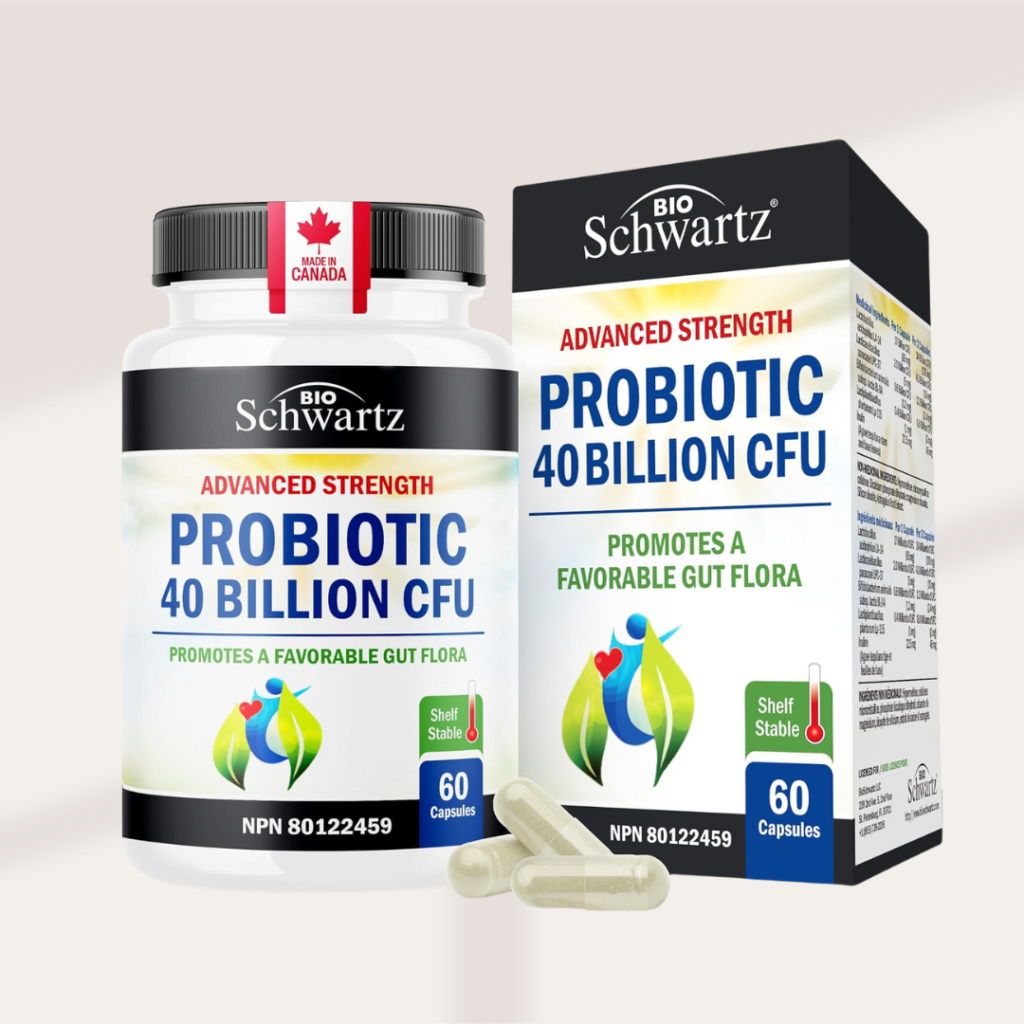
Probiotics
Probiotics are beneficial bacteria that help maintain gut balance. They are found in fermented foods and dietary supplements.
Prebiotics
Prebiotics are fibers that feed probiotics, helping them grow and thrive in the digestive system.
Using probiotics and prebiotics together creates a synergistic effect that supports long-term gut health.
Gut Health and the Immune System
A strong gut microbiome helps regulate immune responses and reduce inflammation. When gut bacteria are balanced, the immune system can respond effectively without becoming overactive.
Supporting gut health is one of the most natural ways to strengthen immune resilience.
Gut Health and Mental Wellness
The gut-brain axis is the communication network between the gut and brain. Poor gut health may contribute to stress, anxiety, and difficulty concentrating.
Improving gut health through diet, stress management, and proper supplementation may positively affect mental clarity and mood.
Ways to Improve Gut Health Naturally
✅ Eat a Balanced, Whole-Food Diet
Focus on fiber-rich foods, lean proteins, and healthy fats.
✅ Manage Stress
Chronic stress negatively impacts digestion. Practices like meditation, walking, and deep breathing can help.
✅ Stay Hydrated
Water helps move food through the digestive tract and supports gut function.
✅ Get Quality Sleep
Poor sleep disrupts gut bacteria and digestion.
✅ Consider Gut Health Supplements
Probiotic supplements, prebiotic fibers, and digestive enzymes can help support gut balance—especially for people with busy lifestyles.
FAQ
1️⃣ What are gut health supplements?
Gut health supplements are products designed to support digestion and the balance of good bacteria in the gut. They commonly include probiotics, prebiotics, digestive enzymes, fiber, and nutrients that help maintain a healthy gut microbiome.
2️⃣ What are the best supplements for gut health?
The most effective gut health supplements include:
- Probiotics (to add beneficial bacteria)
- Prebiotics (to feed good bacteria)
- Digestive enzymes (to improve digestion)
- Fiber supplements
- L-glutamine (supports gut lining health)
3️⃣ How do probiotics help gut health?
Probiotics introduce beneficial bacteria into the digestive system. They help improve digestion, reduce bloating, support nutrient absorption, and strengthen the immune system by balancing gut bacteria.
4️⃣ What is the difference between probiotics and prebiotics?
Probiotics are live beneficial bacteria, while prebiotics are fibers that feed those bacteria. Both work together to improve gut health and should ideally be taken as part of a balanced gut health routine.
5️⃣ Are gut health supplements safe to take daily?
Most gut health supplements are safe for daily use when taken as directed. However, people with medical conditions, weakened immune systems, or those taking medications should consult a healthcare professional before starting supplements.
6️⃣ How long do gut health supplements take to work?
Results vary by person, but many people notice improvements in digestion and bloating within 1–4 weeks of consistent use. Long-term gut balance may take several months.
7️⃣ Can gut health supplements reduce bloating and gas?
Yes, probiotics, digestive enzymes, and fiber supplements can help reduce bloating and gas by improving digestion and balancing gut bacteria.
8️⃣ Do gut health supplements help with immunity?
Yes. A healthy gut supports a strong immune system since a large portion of immune cells are located in the gut. Probiotics and prebiotics can help strengthen immune response.
9️⃣ Are there side effects of gut health supplements?
Some people may experience mild side effects such as bloating or gas when starting probiotics. These symptoms usually go away as the body adjusts. Starting with a lower dose can help.
🔟 Who should take gut health supplements?
Gut health supplements are helpful for:
- People with digestive discomfort
- Those experiencing bloating or irregular digestion
- Individuals on antibiotics
- People looking to support immunity and overall wellness
1️⃣1️⃣ Should gut health supplements be taken with food?
Many probiotics and digestive enzymes work best when taken with meals, but instructions vary by product. Always check the supplement label for proper usage.
1️⃣2️⃣ Can gut health supplements help with weight management?
Some studies suggest that balanced gut bacteria may support metabolism and appetite regulation. While supplements alone won’t cause weight loss, they can support overall digestive health.
1️⃣3️⃣ How do I choose a good gut health supplement?
Look for:
- Clinically studied ingredients
- Clear strain labeling (for probiotics)
- Third-party testing
- No unnecessary fillers or artificial additives
1️⃣4️⃣ Can I take multiple gut health supplements together?
Yes, many people combine probiotics, prebiotics, and digestive enzymes. However, it’s best to start slowly and consult a healthcare provider if unsure.
1️⃣5️⃣ Are natural gut health supplements better?
Natural supplements made with clean, high-quality ingredients are often preferred. The effectiveness depends more on ingredient quality and dosage than whether the supplement is labeled “natural.”
⚠️ Disclaimer
This article is for informational purposes only and does not replace professional medical advice. Always consult a qualified healthcare provider before starting any supplement.